



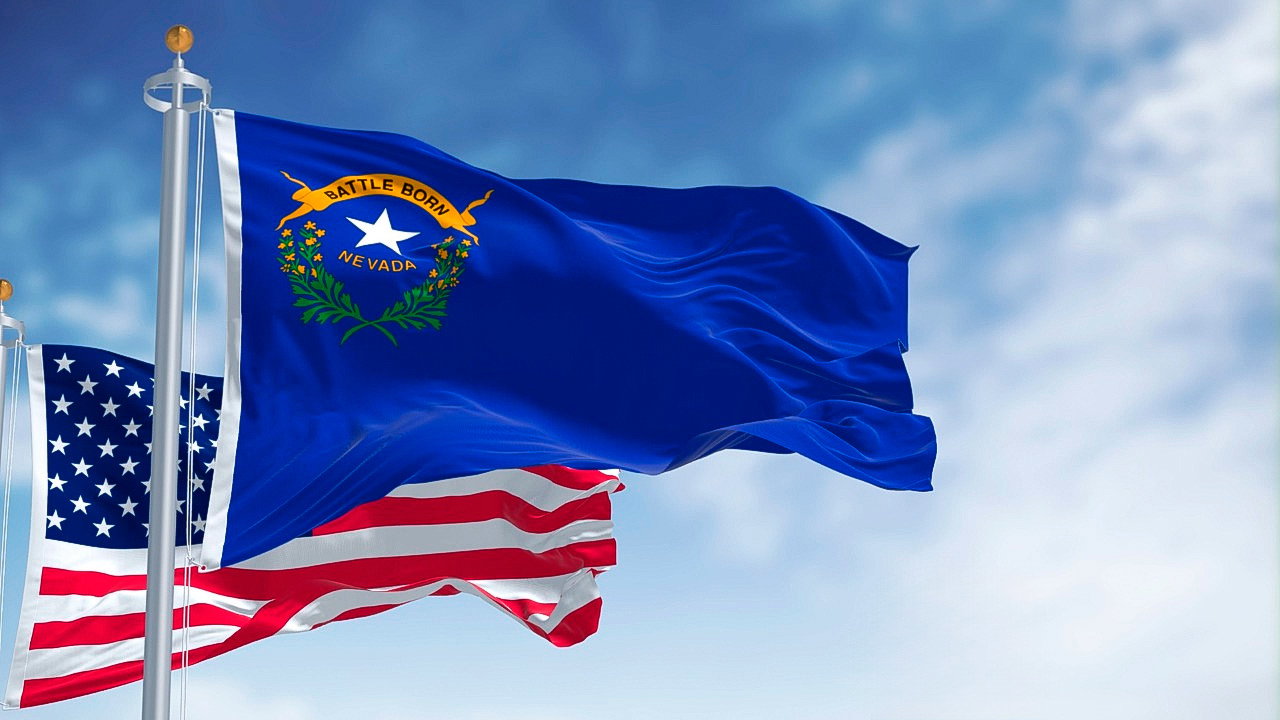
Nevada problem gambling organizations have joined a legal fight over prediction platforms, filing briefs in support of state regulators in a dispute over whether the operators fall under state gaming laws or federal oversight.
The Nevada Council on Problem Gambling and the Dr. Robert Hunter International Problem Gambling Center submitted amicus briefs in a case before the Ninth Circuit Court of Appeals. A hearing is scheduled for April 16.
The groups argue that prediction platforms offering sports-related contracts function in ways similar to gambling and should be subject to the same safeguards required of licensed operators. Their filings focus on consumer protection, access, and exposure to risk.
Public health groups outline concerns over access and design
The organizations state that treating prediction platforms as commodity trading venues creates a system operating without the protections applied to regulated gambling. They point to platform design, transaction speed, and ease of access as factors linked to risk.
The filings note that reduced delays in funding accounts and placing wagers limit opportunities for users to reassess their behavior. They also raise concerns that the presentation of products may not clearly communicate gambling-related risks, including loss of control and financial harm.
The groups argue that such conditions increase exposure at the population level, particularly when combined with wide accessibility through mobile devices.
Legal dispute continues over jurisdiction
The filings come during an ongoing dispute between Nevada regulators and prediction platforms over licensing requirements. Operators including Kalshi and Crypto.com contend that their activities fall under federal oversight through the Commodity Futures Trading Commission.
Nevada regulators maintain that any wagering activity conducted within the state must comply with state gaming laws, including licensing requirements.
The Ninth Circuit recently denied Kalshi’s emergency motion to block enforcement of Nevada regulations. The decision allowed the state to secure a temporary injunction preventing Kalshi from accepting wagers from Nevada residents until at least an April 3 hearing.
Federal oversight scope raised in filings
The problem gambling groups argue that the CFTC framework does not include measures addressing gambling-related harm. Their briefs state that reliance on federal oversight alone would leave gaps in consumer protection.
The filings reference a 2024 Notice of Proposed Rulemaking from the CFTC that sought to prohibit contracts tied to political and sporting events. The proposal noted that commission regulations are focused on financial instruments and markets and “do not include provisions aimed at protecting gambling specific risks and concerns inherent to gambling.” The proposal was withdrawn in January.
The groups state that Nevada’s regulatory model integrates oversight, operators, and support systems, allowing for direct intervention through state-level programs.
Safeguards contrasted with prediction platforms
Nevada regulations for in-person and online wagering include identity and age verification, advertising standards, self-exclusion programs, and funding for treatment services. Online operators must also enforce limits on deposits, wager sizes, and time spent playing.
The filings state that these measures are designed to manage risk. In contrast, prediction platforms are described as operating without comparable safeguards, while offering products that resemble traditional wagering activity.
The groups argue that platform design and accessibility, combined with the absence of standard protections, increase the likelihood of harm.
Advertising share and exposure levels
Data from the American Gaming Association shows that prediction platforms account for nearly half of digital sports betting advertisements in the US this year. These platforms are not subject to responsible gaming advertising requirements applied to licensed operators.
Kalshi recorded about 5.2 billion digital ad impressions, compared with 2.9 billion for FanDuel. During January and February, close to 50% of digital sports betting ads promoted prediction platforms without responsible gaming messaging. The filings cite advertising exposure as a factor in increasing access and normalization of wagering-like products.
Betting volumes show scale of activity
The American Gaming Association projects wagering on the 2026 NCAA tournament will reach $3.3 billion, excluding prediction market activity, a 54% increase over three years. Nevada’s March Madness betting in 2025 was estimated at $466 million.
According to ESPN, bettors wagered $1.9 billion on college basketball games in February through Kalshi alone.
A report from the Financial Times stated that trading volume on sports-related contracts on Kalshi reached $16.8 billion since inception, compared with $4.9 billion on other topics. Nevada’s total sports betting handle for 2025 was $8 billion, down 9% from the previous year.
A study by the National Council on Problem Gambling found that states with legal gambling meet an average of 32 of 82 recommended player protection standards. Nevada met 24 of those benchmarks. Research from the University of Nevada Las Vegas Institute of Gaming reported that 15% of Nevada adults meet criteria for problem gambling, compared with a 2% national average cited by the council.
The filings state that public health policy considers exposure levels, frequency of participation, and environmental conditions, in addition to individual diagnoses.
Critics of efforts to restrict prediction platforms argue that the dispute involves competition between licensed operators and new entrants. The Nevada-based problem gambling groups state that their participation in the case is based on public health considerations. They argue that since the effects of gambling-related harm occur at the community and state level, state authorities should retain the ability to address those risks.
