



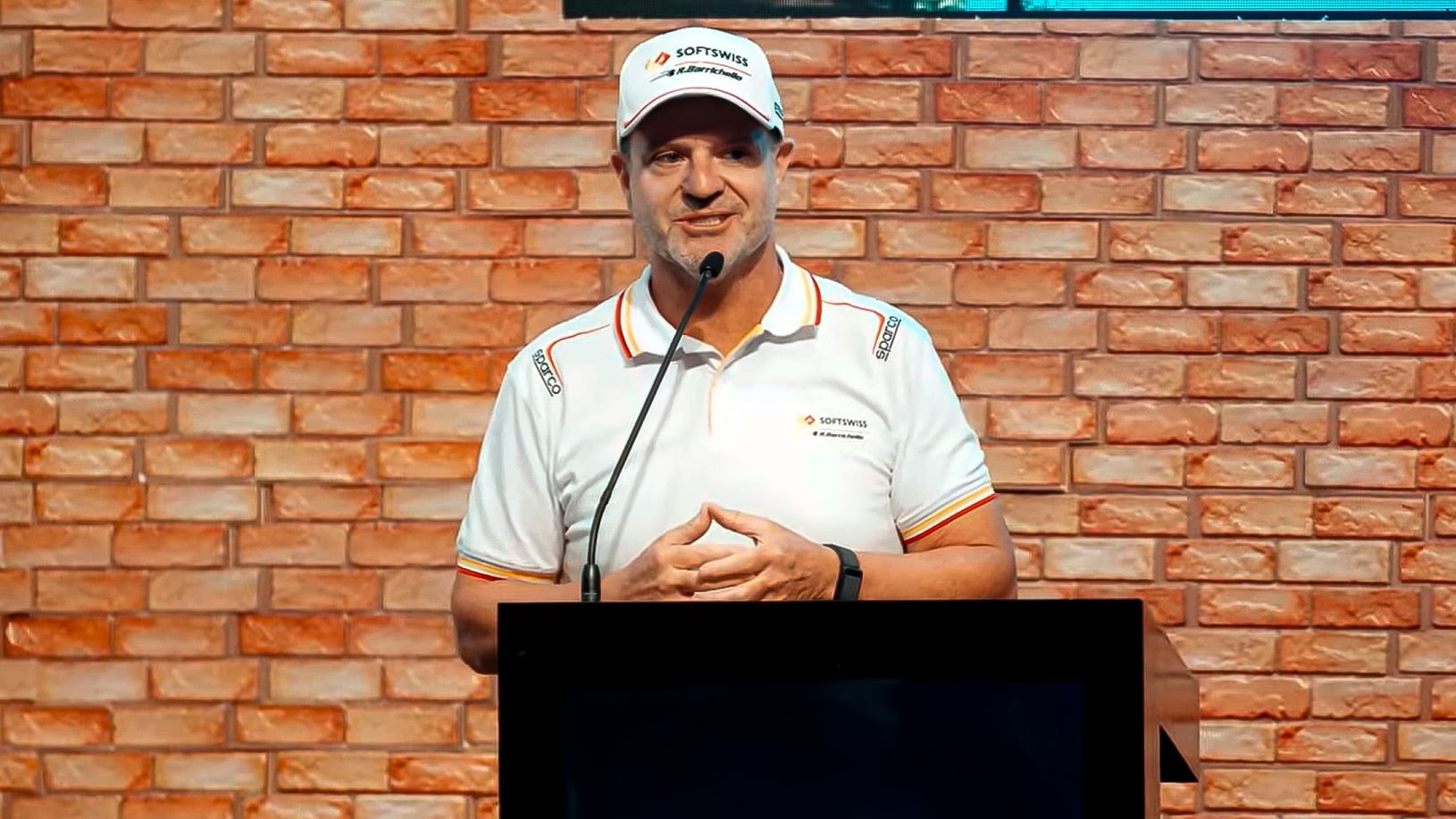
Former Formula 1 driver Rubens Barrichello, now Non-Executive Director at SOFTSWISS, opened BiS SiGMA South America 2026 in São Paulo, as the country continues to consolidate its regulated betting market and attract growing international interest.
The event, hosted at the Transamerica Expo Center, brings together policymakers, executives, and investors to assess regulatory developments and the evolution of Brazil’s betting sector, which is undergoing rapid transformation driven by sport, technology, and digital entertainment.
The opening ceremony was attended by Eman Pulis, Founder of SiGMA Group; Alessandro Valente and Carlos Cardama, Co-Founders of BiS; Luis Otavio Verissimo Teixeira, President of the Superior Court of Sports Justice; and John Aquilina, Ambassador of Malta to Brazil.
Barrichello highlighted the increasing convergence between sport and digital platforms, noting that technology is reshaping how audiences engage with sporting events.
“In motorsport, there have been many occasions where the car was performing perfectly, but the driver’s body could not keep up. In those cases, power is reduced to ensure safety. The same principle should apply to iGaming,” he said.
Participants also took part in a virtual simulation of the Interlagos Circuit with Barrichello, underscoring the integration of live sport and digital experiences within the betting ecosystem.
The opening day featured prominent football figures, including Júlio César, Zinho, Diego Lugano, and Aloísio Chulapa, highlighting the sector’s cross-sport appeal. Their participation reflected the continued importance of sport in driving engagement and growth in the digital betting industry.
During the ceremony, Teixeira emphasised the need for collaboration between football and the betting sector. “Betting must be part of the conversation with football. The core value of sport, particularly football, is integrity. We must consider the betting sector as a partner and move forward together to support sport,” he said.
Regulatory issues dominated discussions on the first day, marking one year since Brazil introduced its new betting framework. Panels focused on taxation, illegal gambling, implementation challenges, and the competitiveness of the regulated market.
Pulis said: “By 2030, we want SiGMA to be the most trusted source for players, ensuring access to regulated platforms. We aim to act as a shield for compliant operators across the industry.”
Industry experts noted that while Brazil has made progress in establishing a regulated environment, challenges remain, particularly around tax burdens and competition from unlicensed operators.
Panel discussions also highlighted the economic potential of regulation, including increased tax revenues, job creation and stronger international investment. The event is expected to attract around 18,500 participants, including more than 4,100 operators.
Pulis also stressed the broader social role of the industry. “We will continue to promote the principle that regulated gaming is the only way forward, not only in Brazil but across the entire South American region,” he said.
He added that the SiGMA Foundation has launched a sports school in a favela in São Paulo, with plans to expand to Rio de Janeiro and Brasília.
Closing the session, Valente said the event reflects the sector’s long-term trajectory.
“BiS SiGMA South America is about building a future that is already proving to be solid, consistent and authentic,” he said.
