



It was already past 11 a.m. when a red car drove through the corridors of the Transamerica Expo Center in São Paulo toward the stage.
Behind the wheel was none other than Rubens Barrichello, a Formula 1 icon and currently non-executive director at SOFTSWISS in Latin America. The moment captured the atmosphere of the first day of BiS SiGMA South America: a space where sport, entertainment, and business converge.
The event comes at a decisive moment for the sector in Brazil. Now in its second year of a regulated online betting market, the country continues to advance in structuring the industry, while also facing successive proposals for increased taxation—adding both tension and urgency to ongoing discussions.
“Over the next few days, this will be the stage for important debates about the future of the market in Brazil and around the world,” said Alessandro Valente, co-founder of BiS SiGMA South America, during the opening.
“The corridors will witness major deals. For many years, Brazil was seen as a promise with enormous potential, but surrounded by uncertainty, limitations, and often misinterpretations. Today, that narrative has changed: Brazil is no longer an expectation. It is a reality, one that demands maturity, responsibility, and above all, a long-term vision.”
Among the conference agenda, one of the most attended panels featured Plínio Lemos Jorge, president of the National Association of Games and Lotteries (ANJL); Fábio Macorin, deputy secretary of Monitoring and Enforcement at the Secretariat of Prizes and Betting of the Ministry of Finance; Giovanni Rocco Neto, secretary of Sports Betting and Economic Development of Sport; and Bárbara Teles, founder of the Association of Women in the Gaming Industry (AMIG). The discussion focused on combating the illegal market and match-fixing, offering not only a diagnosis of current issues but also a forward-looking view of the challenges ahead.
The event also marked a new development in the sports integrity agenda. Brazil’s Ministry of Sport, through the National Secretariat of Sports Betting and Economic Development of Sport, together with Associação Nacional de Jogos e Loterias (ANJL), launched an educational platform focused on integrity.
The initiative is designed to train athletes to identify and prevent match-fixing, strengthening a culture of transparency and fair play. The system is expected to be available starting in May.
Developed by Sportradar, the platform is a comprehensive training program aimed at raising awareness among athletes about the risks of match-fixing and betting-related corruption. Its core goal is to empower them to identify, reject, and report suspicious approaches, protecting both their careers and the credibility of sport.
The content was developed under the supervision of the Ministry of Sport and ANJL, meeting standards widely adopted in mature regulated markets such as the United Kingdom, Italy, and the United States, while being tailored specifically to Brazil’s local context.
Sports icons and global reach
The first day also featured appearances by major sports figures. Júlio César, a former starting goalkeeper for Brazil in two FIFA World Cups, attended the event and announced a partnership with BGaming for the launch of a new game featuring his likeness.
He was joined by former players Diego Lugano, Aloísio Chulapa, and Zinho, who participated in a conference panel.
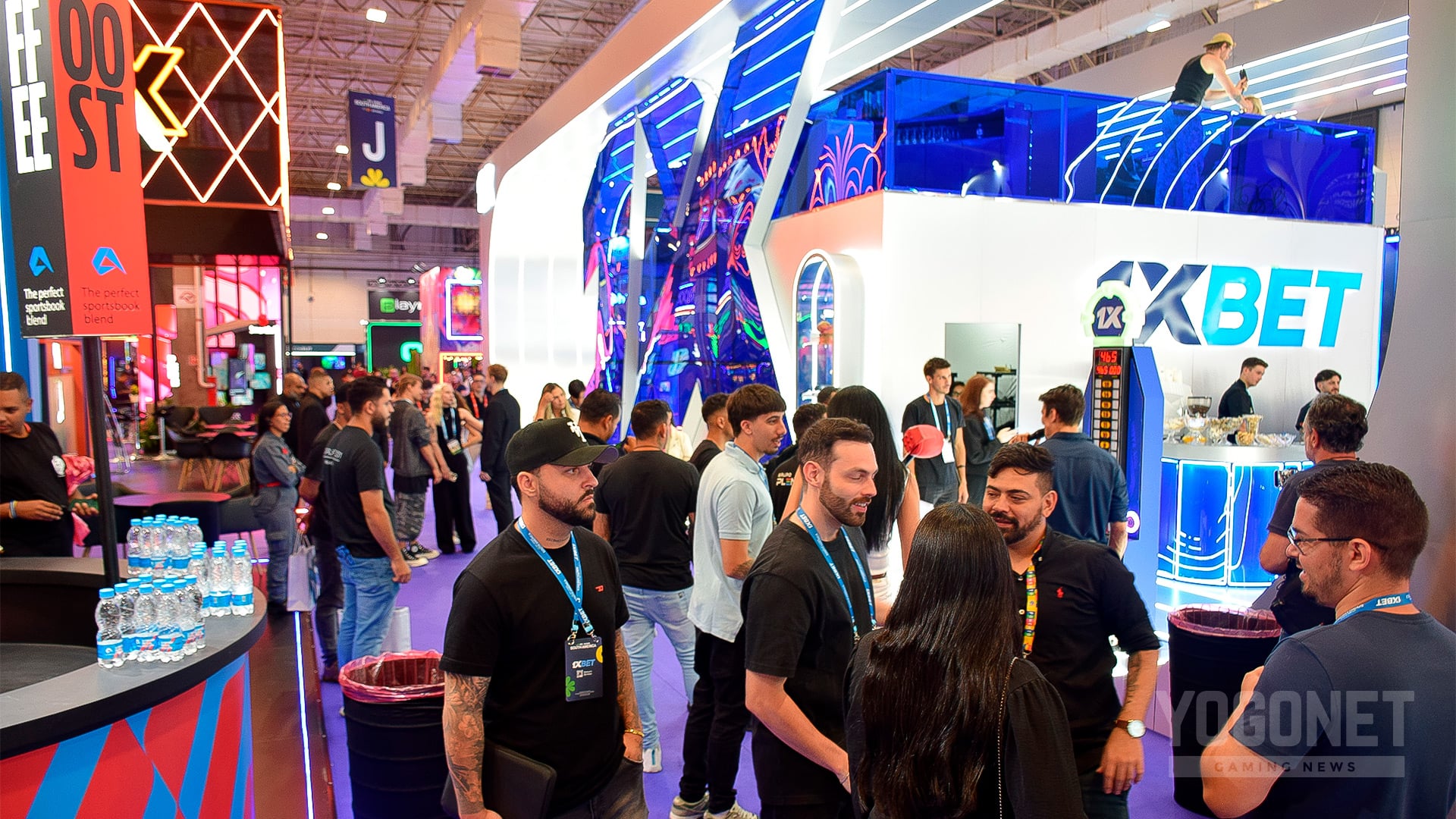
Throughout the venue, Portuguese, Spanish, English, Russian, and other languages blended naturally. More than a detail, this linguistic diversity reflects the event’s international scope, bringing together companies and executives from around the world in São Paulo.
“Our event is not only good for the gaming industry. It also has an economic impact on the city of São Paulo. Thousands of people are involved in making this exhibition possible—carpenters, restaurants, hotels, bars. It’s a frenzy during SiGMA week,” said Eman Pulis, founder of the SiGMA Group.
Carlos Cardama, co-founder of BiS SiGMA South America, also gave a positive assessment of the event, highlighting the extensive behind-the-scenes work required to bring it to life.
“The first day was exceptional, with a very high flow of attendees. It took several months of hard work to organize and decorate the stands, as well as to carry out advertising and marketing,” Cardama said.
“The importance of the event lies in bringing together an industry where companies are often separated—mainly by competition—which can lead to a loss of the human quality of listening, understanding, and working together.”
Tuesday’s official program concluded with the BiS Awards, held at the Tokio Marine Hall, recognizing standout companies and executives in the industry.
The agenda continues this Wednesday and Thursday, April 8 and 9, with expectations of deeper discussions and even greater opportunities for business and networking across both the conference sessions and exhibition floor.
