



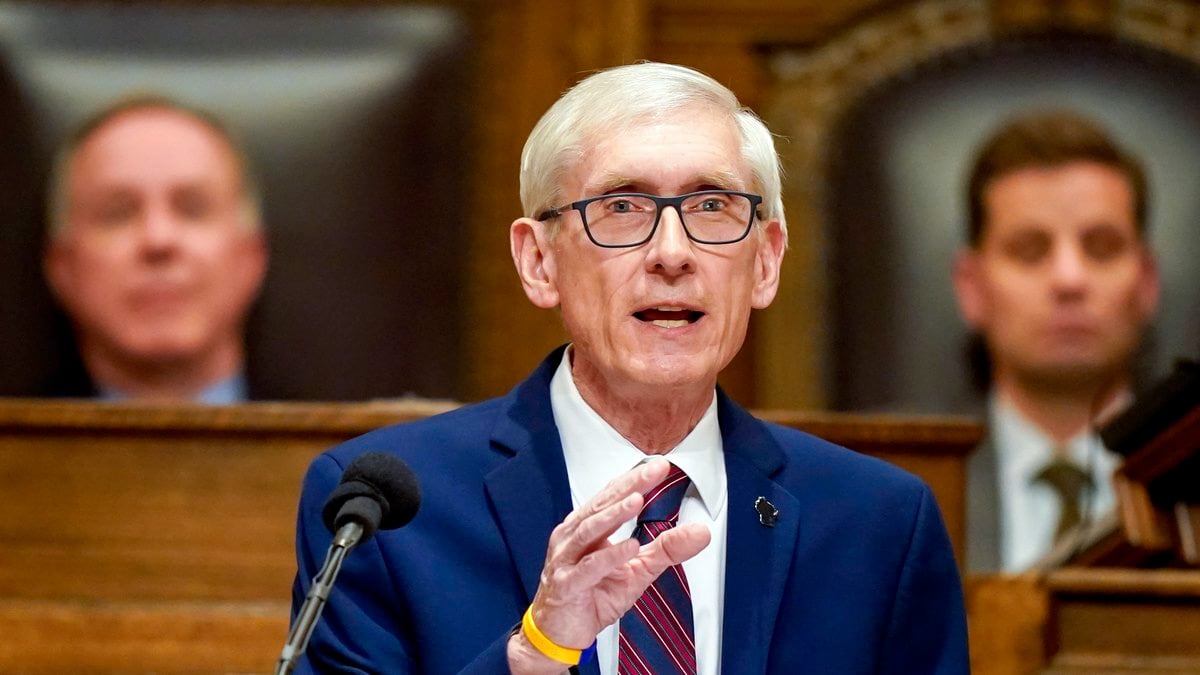
Wisconsin has moved closer to launching online sports betting after Governor Tony Evers signed legislation allowing mobile wagering under a tribal-led framework, while signaling that future arrangements must be negotiated in a way that benefits all 11 federally recognized tribes.
The new law modifies the legal definition of a “bet” to permit wagers placed on mobile or electronic devices within the state, provided the transactions are processed through servers located on tribal land and comply with existing gaming compacts. At present, sports betting in Wisconsin is limited to in-person wagers at tribal casinos.
Implementation will depend on renegotiating gaming compacts between the state and individual tribes, agreements that date back to the early 1990s and grant tribes exclusive rights to operate certain forms of gambling. Any amendments must also be approved by the federal Bureau of Indian Affairs. A 2006 state Supreme Court ruling affirmed that tribes can expand gaming offerings through such renegotiations.
Evers acknowledged reservations about the legislation but approved it, emphasizing that his role requires respecting tribal sovereignty. He said the law should be seen as a starting point for further negotiations, adding: “This legislation is the beginning of a conversation, not the end of one. The real work begins today.”
The governor also warned against uneven outcomes, indicating he would not support any model that allows some tribes to benefit significantly while others see limited gains. He has instead backed emerging discussions around a shared approach, including joint venture structures where tribes participate collectively and share risks and returns.
Tribal leaders had pushed for the bill’s approval, with all 11 tribes writing to the governor in support. In an earlier letter, a majority of tribes said the proposal aligned with their collective objective of strengthening sovereignty, maintaining control over gaming operations, and ensuring that mobile betting benefits all tribes.
Forest County Potawatomi Community Chairman Brooks Boyd described the legislation as a significant step for both tribal nations and the state: “This bipartisan legislation respects tribal sovereignty and keeps the economic benefits of mobile sports betting in Wisconsin.”
The law outlines a “hub and spoke” model for online betting, where wagers are placed across the state but processed through centralized systems on tribal land. The structure mirrors a recent federal court-backed model used by the Seminole Nation in Florida.
The expansion has drawn opposition from national sportsbook operators, including DraftKings and FanDuel, as well as the Wisconsin Institute for Law & Liberty, which has raised constitutional concerns. A Marquette Law School poll also found 64% of Wisconsin voters oppose legalizing online sports betting, including 61% of Republicans, 66% of Democrats, and 74% of independents.
Industry participants have pointed to the federal Indian Regulatory Gaming Act, under which a majority of gross gaming revenue must go to tribes, as a limiting factor for commercial operators in a market of Wisconsin’s size.
Gaming revenues generated under tribal compacts are shared in part with the state and are typically directed toward economic development, local services, and tourism promotion in tribal regions.
Evers said decisions on the structure of mobile betting should go beyond financial considerations, urging stakeholders to factor in broader principles such as fairness and cooperation. He reiterated that he would reject arrangements that deepen inequalities, concluding that the state cannot afford outcomes that leave some tribal nations behind.
