



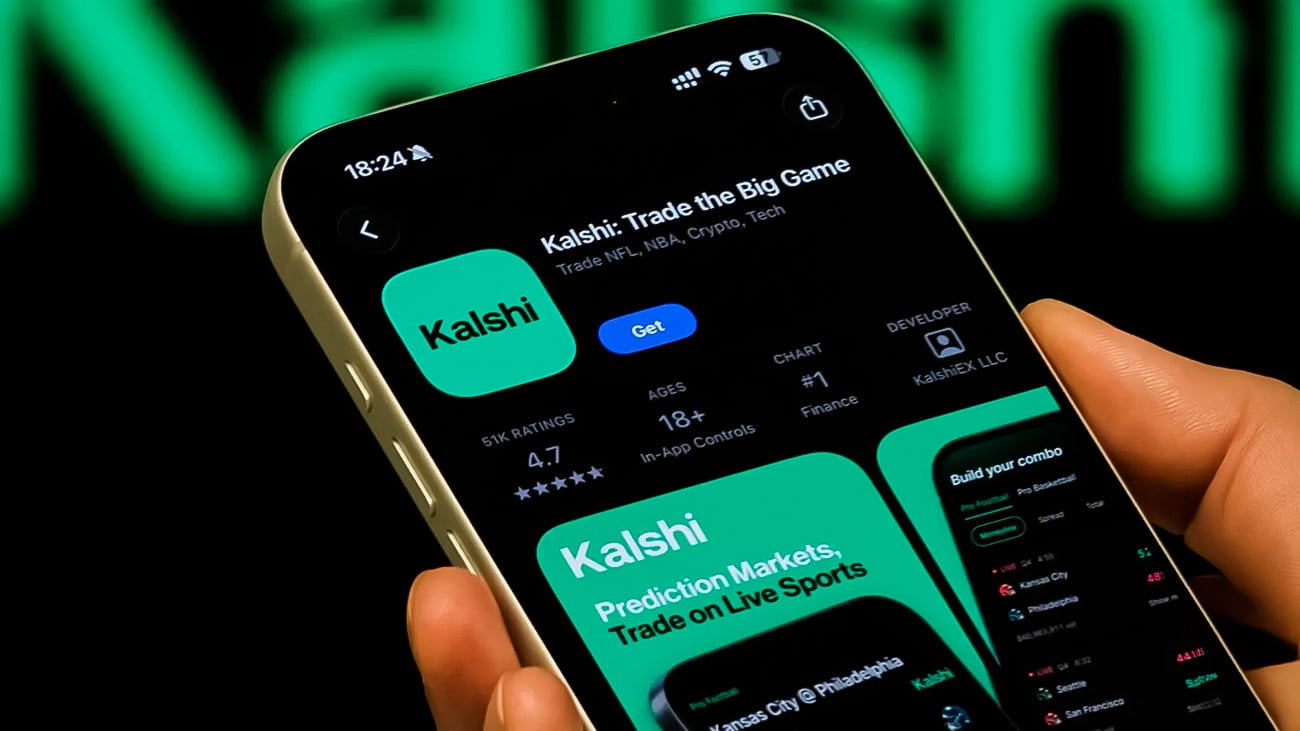
US federal regulators have opened a review of “mention markets,” a category of prediction market wagers tied to specific words spoken by public figures, according to two people with direct knowledge of the matter who spoke to NPR on condition of anonymity.
Kalshi has removed all sports-related mention markets from its platform while the Commodity Futures Trading Commission (CFTC) conducts its inquiry, one of the sources said. These contracts allowed bettors to wager on whether a sportscaster would utter particular words during a broadcast, such as “MVP,” “ankle,” or “redshirt.”
The markets have been taken down “until further notice,” with no confirmed timeline for their possible return.
Sports wagers make up more than 80% of the weekly trading volume on Kalshi, meaning the removal of mention markets tied to athletic events represents a substantial reduction in that segment. Kalshi continues to offer contracts based on statements made at political events, during corporate earnings calls, and on live television newscasts.
White House-linked incident preceded review
The regulatory attention follows a widely reported case involving a Kalshi user’s bets tied to public remarks.
Last month, regulators disclosed that a longtime teleprompter operator for President Trump had used the platform to profit from wagers on words the president would or would not say during public appearances. Kalshi stated that its internal surveillance systems detected the pattern of well-timed trades and referred the matter to federal authorities.
An individual with knowledge of the CFTC’s internal discussions, who requested anonymity, said mention markets draw bipartisan skepticism: “They are potentially very easy to manipulate, so the CFTC is taking a hard look at whether some of them make sense.”
Polymarket also runs mention markets, but restricts them to its international platform, which sits outside CFTC jurisdiction. Polymarket’s smaller domestic operation does not offer this contract type.
Self-certification rules under examination
Most prediction markets in the US operate under a “self-certified” framework, allowing operators to launch new contracts by filing paperwork confirming compliance with federal rules governing swaps, a category of financial derivatives. One requirement obligates operators to confirm that a given market is not “readily susceptible to manipulation.”
According to a second source familiar with the CFTC probe and a former Kalshi employee, both federal regulators and Kalshi’s own legal team have raised concerns that certain speech-based markets may conflict with this standard, given that some formats can attract bad actors by design.
Internally, Kalshi staff have debated the value of mention markets. Company co-founder Luana Lopes Lara has been a prominent advocate for the category, according to the former employee, viewing bets on speech at award shows, reality television programs, and earnings calls as a way to draw new users beyond the platform’s core sports betting audience.
Sports betting remains the primary draw for traders on Kalshi, though the vertical has generated significant legal exposure, with the company facing more than two dozen lawsuits from states and tribal entities.
Broadcast mishap illustrates settlement risk
The mechanics of mention markets have produced unusual outcomes in practice. During Fox’s live broadcast of the World Cup final, traders placed millions of dollars in bets tied to which celebrities would be shown in attendance. When a Fox sportscaster misidentified Matt Damon as Brad Pitt on air, several news organizations, including outlets Kalshi designates as “source agencies” for resolving its contracts, repeated the error in their own reporting.
Kalshi’s market ultimately settled in favor of Pitt’s attendance, in keeping with its contract rules, despite the actor not being present at the event. Company data shows bettors who wagered against Pitt’s attendance collectively lost $287,866.
