



The Nevada Gaming Control Board (NGCB) has approved an initial revision to remove references to the National Council on Problem Gambling (NCPG) from a gaming regulation and replace them with Nevada-specific problem-gambling resources.
The proposal comes about two months after the Nevada Council on Problem Gambling severed ties with the NCPG over its partnership with prediction market platform Kalshi. The revision to Regulation 5.170(2) updates the problem-gambling helpline number and assistance information to direct people to a Nevada nonprofit organisation.
“The updated reference will initially direct those who need help to receive Nevada-specific information for referral sources,” said Cahn Lengsavath, Chief of the NGCB’s Tax & License Division. “That way the resources are more relevant to what is going on here in Nevada and our rules.”
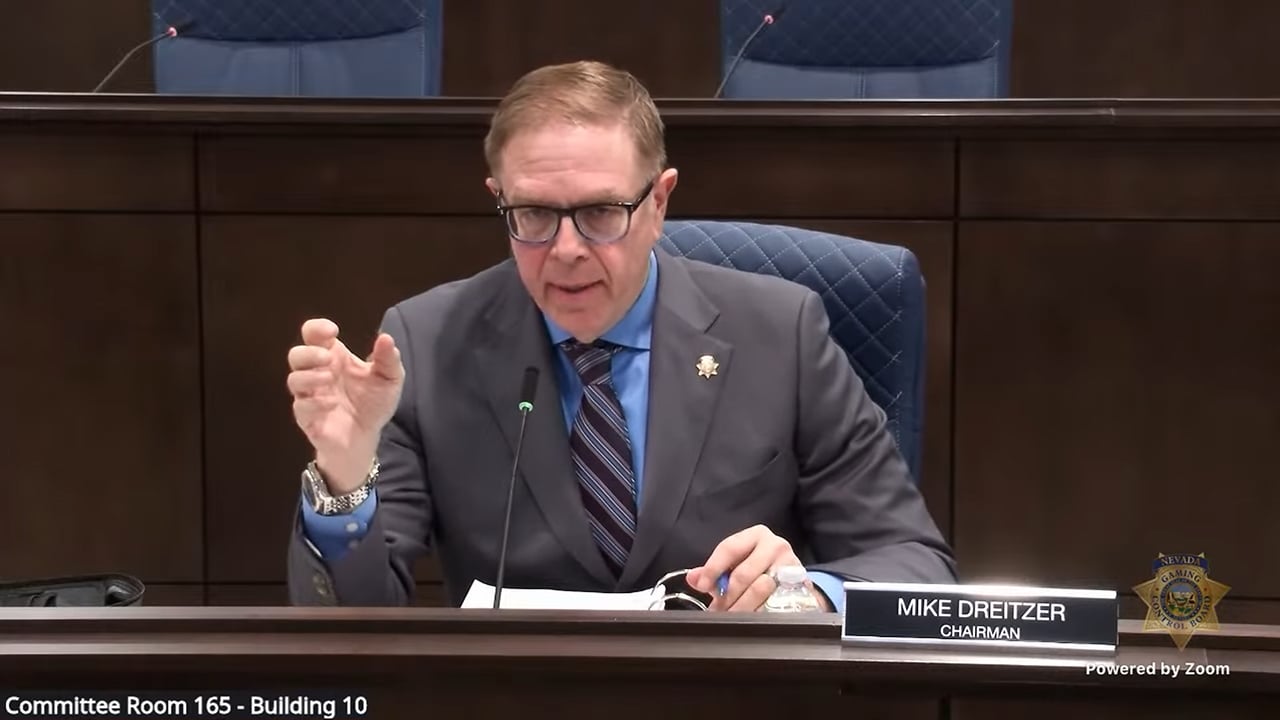
NGCB Chair Mike Dreitzer supported the change, saying it was appropriate to remove the NCPG reference given its recent activities. He added that Nevada-specific responsible gaming resources would better align with the state’s regulations.
Kalshi partnered with the NCPG through a two-year, $2 million investment to fund a Financial Trader Health and Safety Initiative in May. The NCPG established a Financial Services & Trading Subcategory and made Kalshi its first Platinum-level member.
The NCPG has said it maintains a neutral position on the legal status of gambling and prediction markets, arguing that its mission is to mitigate harm wherever it occurs.
Following the partnership, several state regulators and advocacy groups withdrew their NCPG memberships in protest. These included the Nevada Council on Problem Gambling, the Michigan Gaming Control Board, the Ohio Casino Control Commission, and the Evergreen Council on Problem Gambling in Washington.
NCPG Executive Director Heather Maurer resigned in late September amid the continuing controversy over the Kalshi agreement.
The NGCB approved the revision during a workshop on Wednesday. It was part of 12 pages of proposed regulatory changes, including the removal of outdated provisions. The proposals will go before the Nevada Gaming Commission (NGC) on 22 October.
Other proposed revisions include removing the annual limit of two slot machines that can be sold privately under Regulation 14.330(1), as well as changing licence surrender procedures under Regulations 9.010(2)(a)(2) and 9.010(2)(b)(2).
Lengsavath said the agency had never encountered problems with private slot machine sales and that the control board would continue to approve all requested sales.
Dreitzer said the board would retain the ability to monitor private purchases and sales, citing potential concerns. However, he said he would be more comfortable setting an annual limit on the number of machines that could be sold.
Lengsavath said annual limits of 40 or 50 machines would exceed the volumes the agency had seen, but he had not wanted to suggest an arbitrary figure. “We could certainly discuss a number that could be fair,” he added.
