



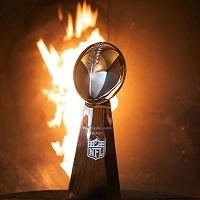
The NFL has established a firm boundary regarding Super Bowl ads for its upcoming championship game by prohibiting advertisements for prediction markets. Former New Jersey Governor Chris Christie has publicly supported this decision, characterizing the league’s stance as a victory for the integrity of professional sports over potential advertising revenue.
Christie, who currently serves as a strategic advisor for the American Gaming Association, spoke with iGaming Business about the league’s decision to exclude certain platforms from its broadcast. He argued that the NFL is demonstrating a commitment to regulated markets that offer fan protections. According to Christie, the decision shows the league believes the integrity of the game and the safety of its audience are more important than the financial gains associated with these commercials.
The ban specifically targets prediction markets, which allow users to trade on the outcomes of various events, including sports. While traditional sportsbooks are permitted to air a limited number of Super Bowl ads under strict league guidelines, prediction market platforms such as Kalshi and Polymarket have been added to a prohibited category list that also includes tobacco and adult content.
The league has expressed concerns that these platforms often operate outside the oversight of state regulatory authorities. NFL officials have noted that prediction markets lack the same level of integrity monitoring and safeguards found in the licensed sports betting industry. Christie echoed these sentiments, suggesting that unregulated markets create opportunities for corruption and insider trading. He specifically pointed to contracts involving student athletes and the transfer portal as high risk areas for manipulation.
As the former governor who led the legal battle to overturn the federal ban on sports betting, Christie remains a vocal advocate for state level regulation. He argues that the existing system of state licenses and league cooperation is the only effective way to detect irregular activity and protect consumers.
While prediction markets are seeing rapid growth and attracting significant investment, they continue to face a challenging legal landscape. Several states have already issued cease and desist orders against these platforms. Christie expects the conflict between state regulators and federal oversight of these markets to eventually reach the Supreme Court. For now, the absence of these companies from the lineup of Super Bowl ads marks a significant moment in the ongoing debate over the future of sports wagering in the United States.
