



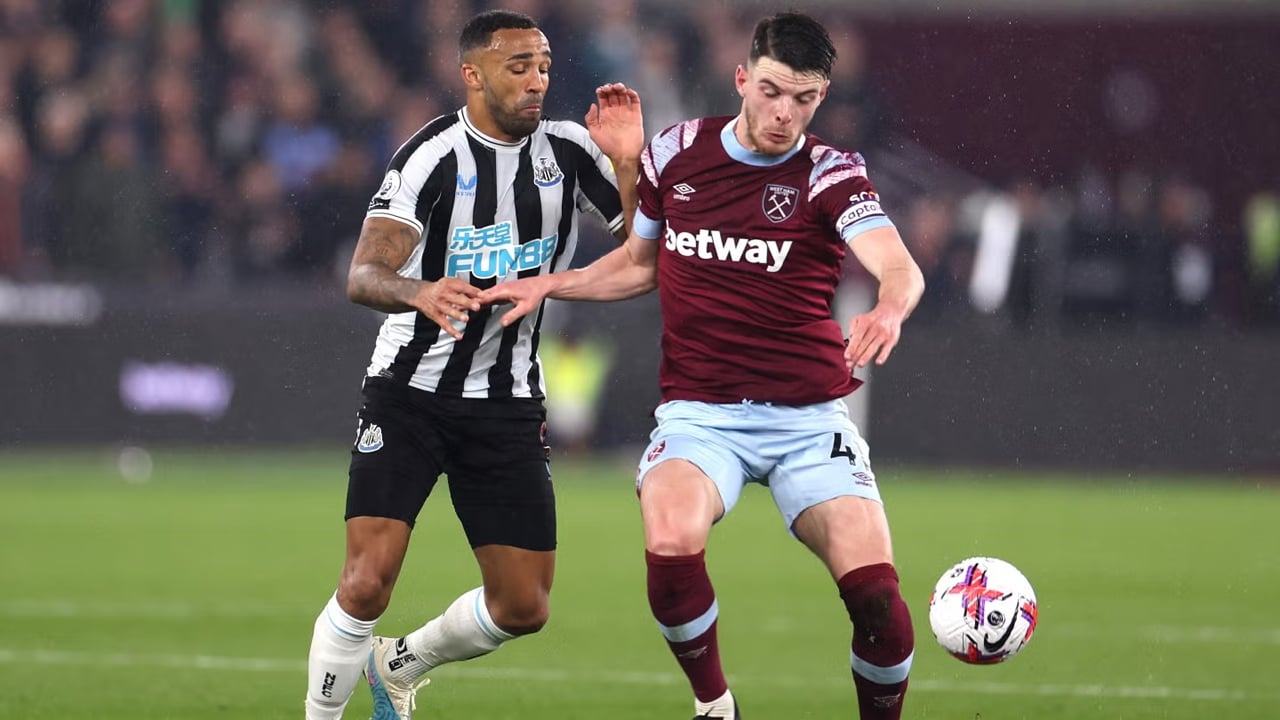
Premier League clubs are bracing for a notable drop in commercial income as gambling companies retreat from front-of-shirt sponsorships, with losses estimated at £80 million ($107.5 million) ahead of the 2026-27 season.
The decline follows a voluntary agreement reached in 2023 between clubs and the UK government to remove gambling brands from front-of-shirt positions by the end of the current season. The move is intended to curb the visibility of betting promotions within football.
Clubs are already encountering difficulty replacing those deals. Twelve teams remain without confirmed front-of-shirt sponsors for the upcoming season, including nine that have yet to finalize agreements, according to reported findings.
Where contracts have been secured, values have fallen sharply. Several clubs have received offers at roughly half the levels previously associated with gambling partnerships. “Nearly everyone is losing money,” a senior club executive told The Guardian.
The impact is more pronounced outside the league’s largest clubs. “Outside the big six, shirt sponsorship offers have dropped by around 50% from a range of between £8 million ($10.7 million) and £12 million ($16 million) a season,” the executive said.
“There may be some exceptions, but it is a very difficult market. And with some clubs opting to switch sleeve or training kit partners to front-of-shirt, there is a knock-on effect for those deals too.”
Some teams have attempted to mitigate the revenue gap by restructuring existing commercial relationships. Bournemouth and Brentford have shifted current stadium or training partners into front-of-shirt roles, though at substantially reduced fees.
Everton has taken a different approach by retaining Stake, its former front-of-shirt sponsor, as a sleeve partner despite the operator losing access to the UK market last year following regulatory action linked to its white-label arrangements by the Gambling Commission.
At the same time, further regulatory pressure is building. The Department of Culture, Media and Sport launched a consultation in February on a proposed blanket ban on unlicensed gambling sponsorships in football, adding another layer of uncertainty for clubs seeking replacement income.
UK Culture Secretary Lisa Nandy said: “It’s not right unlicensed gambling operators can sponsor some of our biggest football clubs, raising their profile and potentially drawing fans towards sites that don’t meet our regulatory standards.”
The proposed ban is also aimed at addressing concerns around money laundering linked to offshore or unlicensed operators. While no fixed timeline has been set, legal experts expect the process to extend beyond the immediate term.
