



MGM Resorts International has proposed building between 500 and 1,800 housing units on its 70-acre property between the Borgata and Harrah’s casinos, according to Atlantic City Mayor Marty Small Sr.
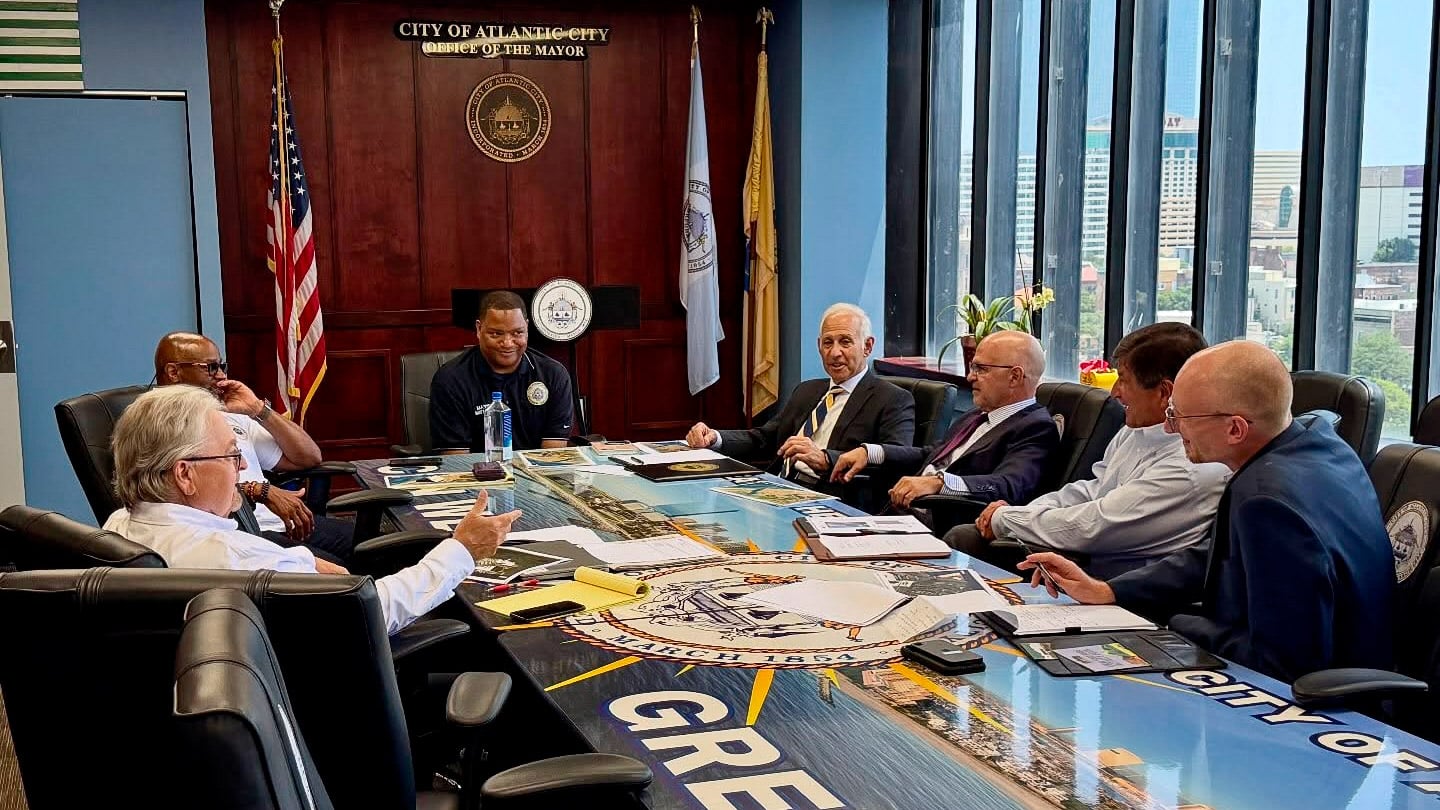
Small made the announcement in a Facebook post following a meeting with MGM representatives at City Hall. According to the mayor, the company presented three potential development options: 500, 1,000, or 1,800 residential units, alongside retail components.
“For the 1st time publicly, I’m proud to announce after meeting with MGM’s team, they are proposing three residential development initiatives for their land in between Borgata and Harrah’s,” Small said in a Facebook post.
Speaking in an interview on Thursday, Small said: “The land that MGM owns between Borgata and Harrah’s, which was more than likely going to be used for future casinos, we know that we’re not going to allow (new) casinos in Atlantic City anymore.
“So they came up with a concept, some retail, three different options, and as mayor of the great city of Atlantic City, I support it. It shows that investor confidence is at an all-time high.”
The mayor added that MGM is in discussions with several national developers, though no specific companies have been identified.
The property has long attracted attention because of its size, location, and development potential. In 2007, MGM proposed building a $5 billion casino resort on the site featuring three hotel towers. The project, however, was shelved following the economic downturn that preceded the closure of five Atlantic City casinos.
The proposed residential development aligns with the city’s broader redevelopment plans for the site. In December, the Atlantic City Planning Board endorsed amendments to the area’s redevelopment plan, easing development restrictions and paving the way for a mixed-use neighborhood featuring housing, commercial space, and improved pedestrian and bicycle access.
The revised plan also expands permitted housing types by allowing single-family homes for the first time, in addition to duplexes, mid-rise and high-rise buildings, and other multifamily developments.
City planning documents envision the area as a neighborhood where residents can “live, work and play,” with the goal of attracting year-round residents, second-home buyers, casino employees, and workers in Atlantic City’s growing healthcare sector.
