



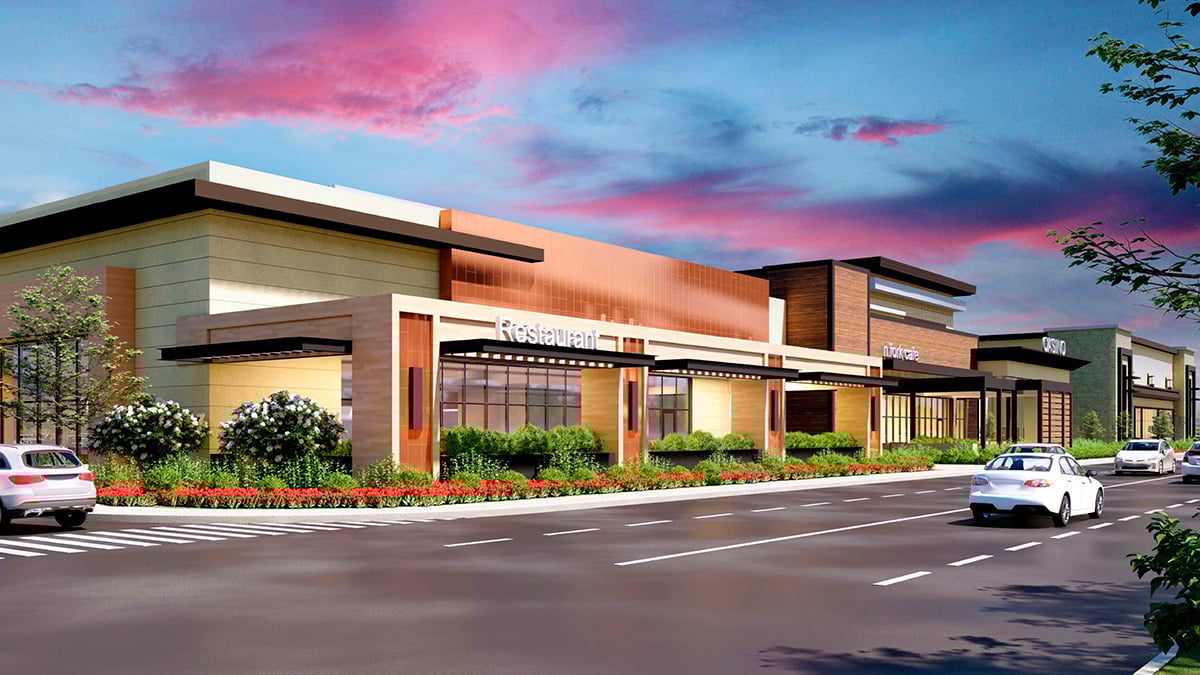
The North Fork Rancheria of Mono Indians of California said it will continue building its planned casino near Madera despite a state court ruling that found the project was not authorised under California law.
The decision follows the Supreme Court of California’s declining to review a lower court ruling against the construction and operation of the casino, leaving the judgment in place.
The dispute underscores ongoing tensions between state authority and federal oversight of tribal gaming under the Indian Gaming Regulatory Act, which governs gaming on tribal lands.
In a statement, the tribe maintained that its project has federal backing and is not subject to state restrictions.
“The North Fork Rancheria’s right to game on its federal trust land near Madera, CA, is governed exclusively by federal law. Federal approvals of the North Fork project occurred in 2012 and 2016, and the federal courts have since upheld each approval in final, non-appealable decisions,” the tribe said.
Construction began in 2024 on the 100,000-square-foot casino complex located off Highway 99. The tribe has indicated it still intends to open the facility this year.
“North Fork will continue to comply with all applicable law as it proceeds with construction of its project to benefit the regional economy and the lives of its more than 3000 tribal citizens,” the tribe added.
The project has faced longstanding opposition from the Picayune Rancheria of the Chukchansi Indians and local anti-gaming groups, which argue that the casino lacks valid state approval following a 2014 statewide vote rejecting the development.
Though it’s more than 30 miles from the tribe’s 80-acre rancheria in the Madera County mountains, the federal government determined the tribe has ancestral ties to its casino site off Highway 99. Critics have launched accusations of “reservation shopping,”
Despite the state rulings, the project has secured multiple federal approvals, including from the U.S. Department of the Interior, which cleared the site for development in 2011 and placed the land into federal trust in 2012. Federal courts have repeatedly upheld those approvals.
A federal court in 2016 ruled against the casino’s opponents as they challenged its authorization by the Department of the Interior. U.S. District Beryl Howell said at the time: “The law is not on their side.”
The planned resort is expected to include more than 2,400 slot machines, 40 table games, and eight dining options, and could create around 1,000 jobs, according to the tribe and local officials who support the development as an economic driver.
Further legal challenges are likely, leaving uncertainty over the project’s opening timeline even as construction continues.
