



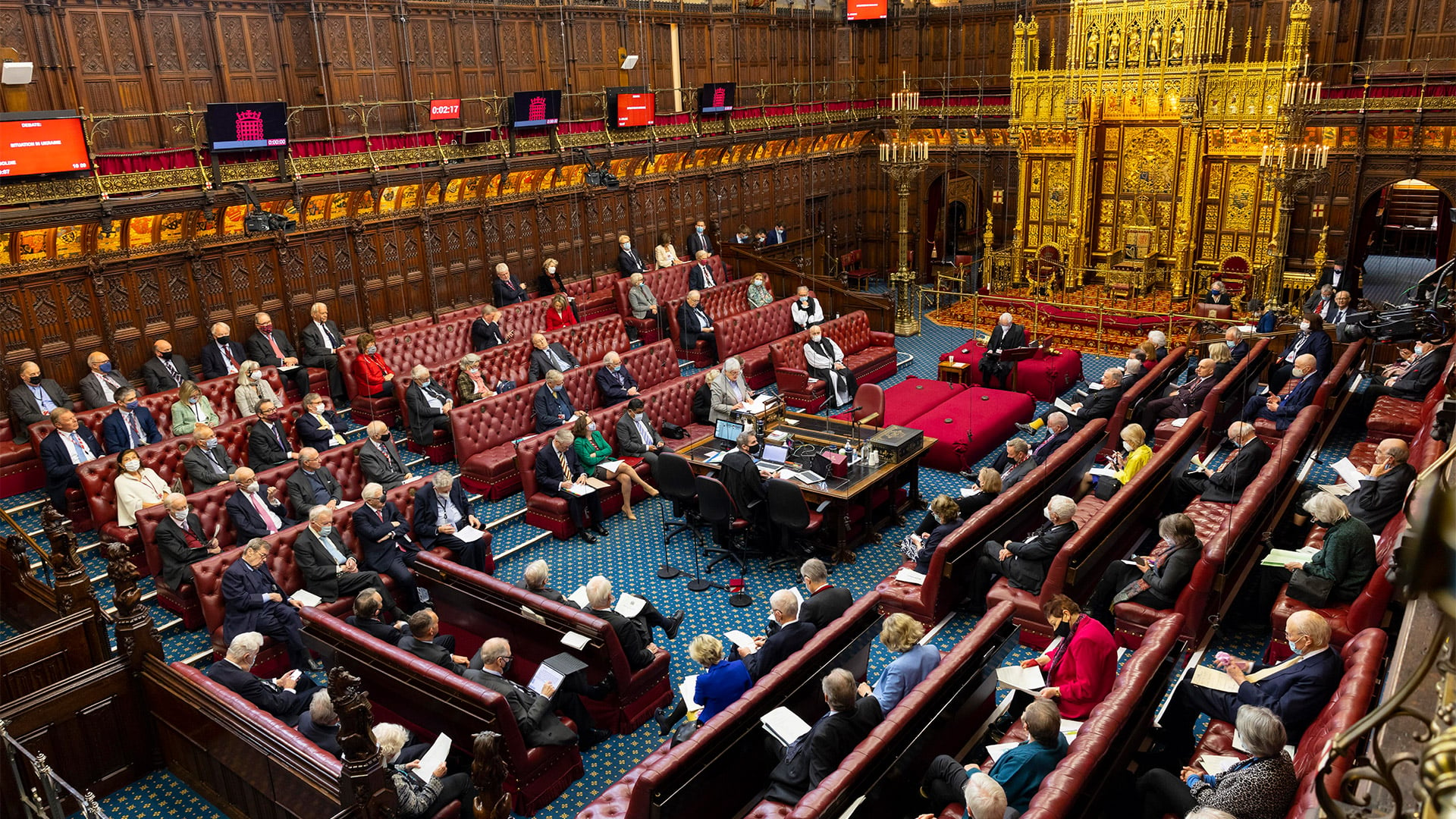
The House of Lords Liaison Committee of UK has called for a comprehensive ban on gambling advertising, arguing that it is the most effective policy option for reducing gambling-related harm and should form part of a public health approach.
The cross-party committee estimates that between 1 million and 1.5 million adults in Great Britain experience problem gambling. Associated harms include relationship breakdown, reduced spending on everyday needs, borrowing or using savings to gamble, concealing gambling from family members, mental ill health and, in extreme cases, suicide.
The report follows up on the July 2020 findings of the Select Committee on the Social and Economic Impact of the Gambling Industry. It comes days after the Local Health and Global Profits research consortium also called for tighter gambling advertising restrictions.
Lord Foster of Bath, a member and acting former Chair of the previous committee, said: “Up to a million and a half people in Britain experience problem gambling and the serious consequences this has on them, their families and the community.
“A ban on most gambling advertising would reduce gambling and therefore reduce problem gambling and the serious harm it causes. We are clear that this would shrink, the gambling sector and that this would make a positive difference to millions of people across the country.
“There are clear health and economic benefits to reducing participation in gambling, with a recent study by the Sheffield Centre for Health and Related Research estimating that a 10% reduction in spending on gambling could lead to an increase in GVA of £1.25 billion ($1.67 billion) and create over 22,000 jobs.”
Before the Gambling Act 2005 liberalized advertising rules, television and radio gambling advertising was largely limited to bingo, football pools, the National Lottery and other permitted lotteries. Advertising was previously “restricted on the basis that gambling should be tolerated but not stimulated”. The committee said the industry now spends more than £1 billion ($1.34 billion) annually on advertising.
It also said governments had been too passive in responding to digital advertising and content marketing, which can blur the line between advertising and editorial material and appeal strongly to children. While acknowledging measures introduced following the 2023 Gambling White Paper, including the statutory gambling levy, it said gambling harm remains a major public health issue.
The committee pointed to tighter advertising controls in other jurisdictions, arguing that Great Britain has become a “comparative outlier”. The Netherlands has moved toward a blanket advertising ban, while Australia has introduced limits on gambling advertisements.
The committee also rejected claims that restricting licensed operators would necessarily drive consumers toward illegal gambling.
“The Committee recognises that stronger action is needed to tackle unregulated gambling, but was unconvinced by claims that restrictions on advertising by licensed operators will lead to displacement of customers to the illegal market,” the Committee said.
The Betting and Gaming Council has continued to highlight the illegal market, estimating that around £8 million ($10.7 million) would be wagered with illegal operators during the 250th anniversary of the St Leger at Doncaster Racecourse.
BGC Chief Executive Officer Grainne Hurst said: “Millions of pounds are expected to be staked with illegal operators across the St Leger meeting, with those businesses contributing nothing to racing, paying no UK tax and offering customers none of the protections that exist in the regulated market.”
The advertising debate comes as operators also face higher taxation, including an increase in Remote Gaming Duty from 21% to 40% and an impending rise in General Betting Duty from 15% to 25%.
A comprehensive advertising ban could also affect sports organizations with betting partnerships, including football, rugby league, snooker, darts and boxing. The EFL has a longstanding partnership with Sky Bet, while betting sponsorship remains commercially important to a number of Championship clubs.
